


Understanding Amino Acids. What are BCAA's? How and when to use Amino Acids.
- Joseph Richards
- May 3, 2022
- 5 min read
What are amino acids?
Amino Acids are essential compounds common to all living things. All living bodies contain the same 20 amino acids and our diet provides most of the amino acids we need for healthy function.

Amino acids make up a large part of the human body, roughly 20%.

Amino acids make up the proteins in our body. Since they make up our proteins, it would be logical to assume they are important for muscle growth and exercise. There are 9 essential amino acids meaning that we need to consume them and 11 non-essential amino acids meaning we can produce them within our bodies from other chains. We will go over in more detail each amino acid and its functions later.
Let us explain how amino acids work with the weakest chain example. Let us say that the amount of an amino acid you have formed a chain link, if one link is weaker than the rest (not enough of that amino acid) then the link will break. Essentially you need all amino acids if you are to utilize them more efficiently. Let us cover the ones that assist in sports nutrition first and the daily recommended amount, and then we will list the remaining amino acids and what they do after.
What are BCAAs and What do BCAAs Do?
BCAA's (branched-chain amino acids) are what we typically think of when we think of amino acids however BCAA's are only 3 amino acids chained together. The three BCAA's are Valine, leucine, and isoleucine. Together BCAA's help with:
Link up to make proteins that make up the body such as collagen, keratin, hemoglobin, and more.
Prevent muscle catabolism (muscle breakdown).
Regulate most essential functions in our body by becoming enzymes or hormones. The thyroid, insulin, and adrenalin are examples.
Can supply energy to the body when your carbohydrate consumption is low and during exercise.
BCAA (Valine, Leuicine, and Isoleucine). Essential Amino Acids.
Plentiful in muscle proteins.
Stimulate muscle growth.
Provide energy during exercise.
Leucine. 25mg per pound of weight (so 4.4 grams per day for a 175lb person).
Works as a catalyst to turn on protein synthesis to build, maintain and repair muscles improving muscle mass and helping heal skin and bones.
Regulates blood sugar levels.
Increases
Note: LEAA (Leucine-enriched essential amino acid mixture)drinks and supplements can enhance exercise performance and recovery.


Valine. 2g.
Synthesises proteins promoting muscle growth and tissue repair.
Isoleucine. 2.2g.
Affects growth, immune system, protein metabolism, fatty acid metabolism, and glucose transportation.
Tyrosine. .5-2g. Non-essential amino acid.
Nootropic enhances focus, concentration, memory, and learning capacity.
Helps build proteins and produces enzymes and hormones in the adrenal, thyroid, and pituitary glands.
Helps produce neurotransmitters that help nerve synapsis (communication).
Particularly helpful for epinephrine, norepinephrine, and dopamine production.
Citrulline. 3-6g. Non-essential amino acid.
(citrulline malate is converted in the body at .75g citrulline per 1gram)
Boosts nitric oxide production helping your arteries relax and work better by improving blood flow threw the body.
Increased oxygen content in the muscles improves exercise performance in both endurance and weight training performance.
Alanine. 2-5g
Help convert carbohydrates into strings of glucose (glycogen) that is stored in muscle tissue and liver.
During exercise, the glycogen is used as energy and the liver uses it to maintain blood glucose levels.
Alanine helps build muscle faster.
Check out the perfect pre-workout, Animal Fury. https://tidd.ly/3KEw72q

Glutamine. 1-5g a day, bodybuilders take up to 15g. (non-essential).
Building block for proteins for muscle tissue and glucose.
Gut function and immune function by being the main fuel source for lymphocytes (white blood cells that fight infection).
Reduce fatigue.
Arginine. 6-10g. (Non-essential amino acids).
Promotes protein production.
Produces nitric oxide (N.O. helps blood flow, mitochondrial function and cellular communication).
Precursor for glutamate, proline ane creatine
Helps Immune system function
Now that the more common amino acids (the ones in your pre-workouts and recoveries) are explained, let us look at some more benefits of the other amino acids.
Lysine. 1g
Helps absorb calcium
Helps form collagen
Reduces anxiety by blocking stress response receptors.
Threonine. .5-1g.
Supports digestive health.
Helps create T-cells that help fight off infections.
Evidence of an increase in glycine levels in the nervous system means it can improve muscle spasticity.
Helps produce collagen.
Phenylalanine. No standard dose yet,the commonly used dose is from 150mg- 5g. (Essential amino acid).
Helps the production of neurotransmitters norepinephrine and dopamine which can help mood and reduce pain.
Methionine. 1g. (Essential amino acid).
Referred to as Master Antioxidant.
Detoxify harmful substances in the body.
Helps prevent fat buildup in the liver by acting as a lipotropic.
Lowers cholesterol by increasing lecithin production in the liver.
Improves hair, skin, and nails.
Histidine. Up to 4g. (Essential amino acid).
Used in the growth and repair of damaged tissues.
Used in the process of making blood.
Helps protect nerve cells.
Reduced reaction time for cognitive functions.
Tryptophan. 8-12g. (Essential amino acid).
Helps make proteins
Helps produce serotonin which helps stabilize your mood and promote sleep.
Studies have found that it can lessen depression, anxiety, and irritability.
Strengthened pain tolerance.
Aspartate. 3g. (Non-essential amino acid).
(Studies are being conducted and not yet confirmed by FDA on humans)
Promotes nerve development and communication.
Stimulates hormone production such as testosterone, progesterone, oxytocin, prolactin, growth hormone, and others involved in muscle development, sexual function, and blood pressure.
Glutamate. 10-20g (Non-essential amino acid)
Nerve cells use to send signals.
Involved in 90% of brain synapses.
Proline. 5g. (Non-essential amino acid)
Promotes collagen production.
Helps heal wounds and repair skin.
Supports digestive health.
Helps join pain.
Supports cardiovascular health.
Helps reduce inflammation.
Cysteine. 200-400mg. (Non-essential amino acid).
Produces antioxidants that neutralize free radicals in the cells. Free radicals damage cells and tissue.
Helps reduce kidney and liver damage.
Anti-inflammatory, especially in fat cells may help stabilize blood sugar.
Acts as an expectorant (loosens mucus in your air passageways).
Asparagine. 7g-14g. (Non-essential amino acid).
Produces proteins.
Metabolizes ammonia.
Creates equilibrium in the nervous system.
Serine. 3-8g. (Non-essential amino acid).
Antioxidant.
Neurotransmitter for information processing.
Improves sleep quality.
Glycine. 3-5g. (Non-essential amino acids).
Antioxidant.
Helps produce creatine for your ATP-PC energy system (quick bursts of energy such as weightlifting).
The main amino acid of collagen helps relieve joint pain and decrease bone loss.
Promotes sleep quality.
Reduces heart disease by preventing accumulations that harden and narrow arteries.
Tyrosine. 150mg. (Non-essential amino acid).
Helps produce dopamine, adrenaline and noradrenaline, and thyroid hormones.
Now that you know all about amino acids and what they do you can see that they are a part of just about everything in our bodies. That does not mean you need to go right out and buy some amino acids. Consult your primary healthcare provider before you make any decisions but if you want some BCAA's for exercise then go right ahead, the excess is just voided. https://tidd.ly/3KU4LWx
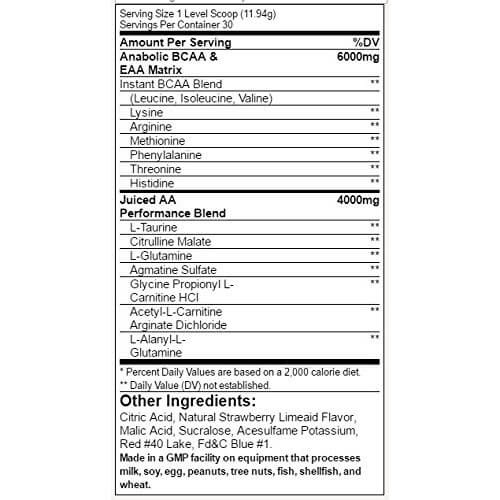
Resources:
Ajinomoto Group, (2022). Eat Well, Live Well. What are Amino Acids. Retrieved at https://www.ajinomoto.com/aboutus/amino-acids/what-are-amino-acids
Ajinomoto Group, (2022) Sports Nutrition Science laboratory for Amino Acids. A "Leucine-enriched essential amino acid mixture". Retrieved at https://www.ajinomoto.co.jp/en/kfb/sportsamino/knw0104_leucine-mix.html
Metcalf, E, MPH, (2021). WebMD. Phenylalanine. Retrieved from https://www.webmd.com/vitamins-and-supplements/phenylalanine-uses-and-risks
Mullins D, (2021). D-Aspartic Acid Claimed Benefits + side effects and reviews. Retrieved from https://supplements.selfdecode.com/blog/d-aspartic-acid/
Panoff L. MPH, RD, (2022). Healthline. Nutrition. Retrieved from https://www.healthline.com/nutrition
Thalacker-Mercer A, Gheller M, (2020). The Oxford Academy: The Journal of Nutrition. Benefits and Adverse Effects of Histidine supplementation. Retrieved from https://academic.oup.com/jn/article/150/Supplement_1/2588S/5913298


Comments